On March 12, students of Communication Science at the University of Amsterdam conducted a hands-on testing session of several well-known misinformation “inoculation games.” The objective of the workshop was to identify design gaps and gather insights for the technical specification of the upcoming Online Combat game, which is being developed for vulnerable adult learners.

The students tested three existing games that have become influential tools in media literacy and misinformation research:
- Bad News
- Harmony Square
- Cranky Uncle Game
All three games are grounded in the same theoretical and empirical foundations from cognitive psychology and communication science, particularly the concept of psychological inoculation. This approach exposes players to weakened versions of misinformation techniques so that they learn to recognize and resist them in real-life information environments.

Bad News
The Bad News game places the player in the role of a fake news creator attempting to gain followers and influence. By producing misleading posts, amplifying outrage, and exploiting emotional reactions, players learn how disinformation spreads.

During the testing session, students noted several strengths:
- The game is engaging and humorous, making the learning process enjoyable.
- It clearly demonstrates common misinformation techniques such as:
- manipulating emotions
- spreading conspiracy narratives
- trolling and provoking outrage
- exploiting cognitive biases
However, participants also identified an important limitation. The game’s context is based on Twitter, which many users now consider outdated or less relevant due to recent changes in the platform and the broader evolution of social media ecosystems.
For the development of the Online Combat game, this suggests the need for a more contemporary and platform-neutral environment that reflects how misinformation currently circulates across multiple online spaces.
Harmony Square
In Harmony Square, players take on the role of a “disinformation officer” tasked with disrupting social harmony in a fictional town. The game challenges players to sow division and polarization through misleading narratives and strategic manipulation of public opinion.

Students appreciated several aspects:
- The interactive storytelling format
- The clear illustration of polarization tactics
- The playful tone, which keeps users engaged while learning
At the same time, participants observed that the setting—a small American town—has limited relevance for European audiences, particularly when the goal is to address misinformation and radicalisation risks in the EU context.
This insight will inform the design of Online Combat, where the narrative environment should better reflect European information ecosystems and social dynamics.
Cranky Uncle
The Cranky Uncle game differs significantly from the previous two examples. Rather than a role-playing simulation, it functions as a quiz-based learning tool that teaches players to recognize logical fallacies and common misinformation techniques.


Students highlighted several strengths:
- Clear educational structure
- Effective knowledge testing
- Humorous visuals and engaging illustrations
Because of its quiz format, the game is particularly useful for measuring what players actually know about misinformation techniques.
Lessons for the Online Combat Game
The workshop concluded that the most effective approach combines elements from both gameplay models:
- Interactive role-playing (Bad News / Harmony Square)
- Encourages experiential learning
- Helps players understand how misinformation spreads
- Knowledge testing (Cranky Uncle)
- Measures actual understanding
- Reinforces key concepts
For the Online Combat game, students suggested integrating pre-game and post-game knowledge assessments to measure learning outcomes.

Design Recommendations from the Testing Session
Based on the testing experience, the students proposed several recommendations for developers:
1. Include knowledge measurement
- Pre-game quiz to measure baseline knowledge
- Post-game quiz to measure learning impact
2. Improve visual design
Participants suggested incorporating more advanced visuals and interactive elements to enhance engagement for adult learners.
3. Adapt the narrative role
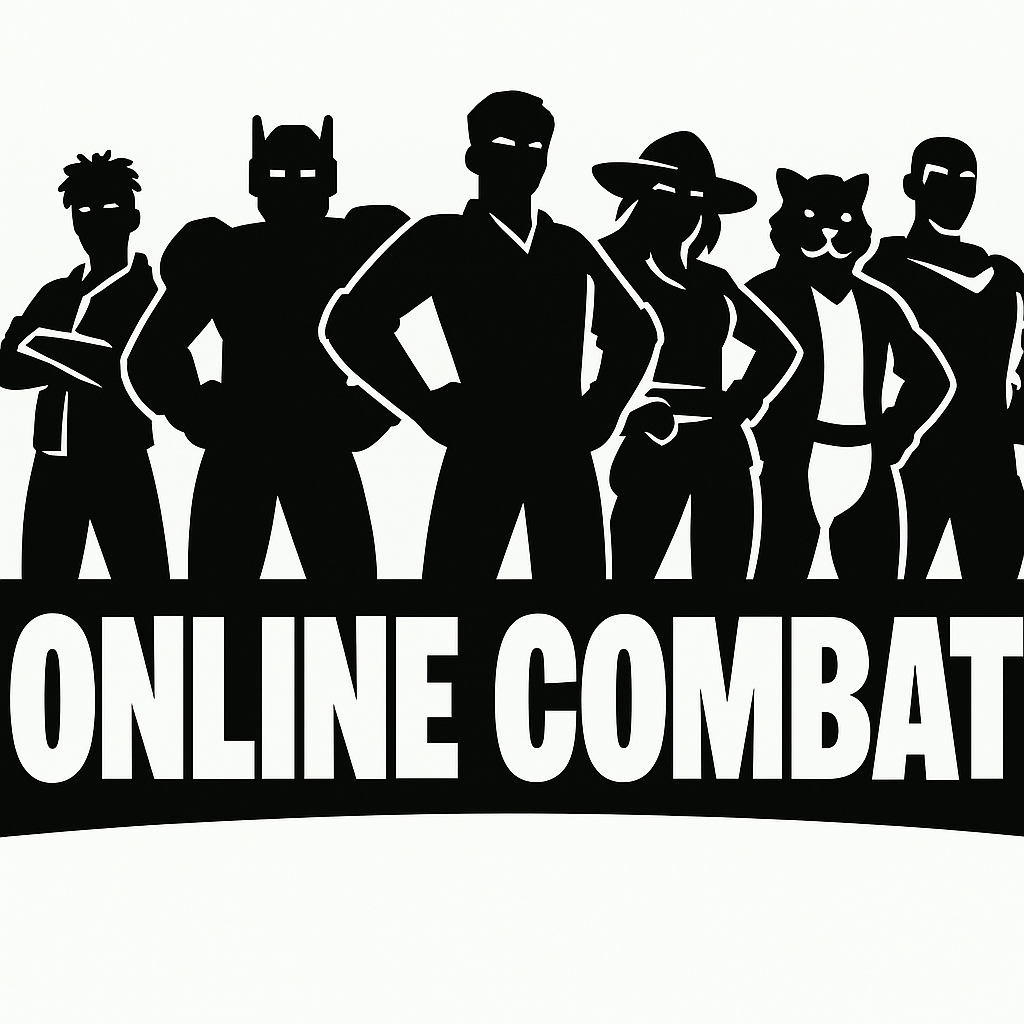
Both Bad News and Harmony Square place players in the role of a “mean” or manipulative actor (fake news influencer or disinformation officer). While effective for younger audiences, this approach may not be optimal for adults vulnerable to radicalisation. Instead, students recommended designing the game so that players assume the role of “good actors.”
Possible concepts include:
- A team of fact-checkers
- Misinformation fighters
- Investigators with different “superpowers”
Each character could specialize in a different skill, such as:
- identifying sources
- detecting emotional manipulation
- exposing conspiracy narratives
- countering polarization tactics
Toward a New Generation of Inoculation Games

The testing session demonstrated that inoculation games are powerful tools for media literacy education. They allow learners to experience how misinformation works from the inside, making them better equipped to recognize and resist manipulation online.
The upcoming Online Combat game aims to build on these foundations while introducing:
- a European context
- modern digital environments
- knowledge measurement tools
- and collaborative “good actor” gameplay
These innovations will help ensure that the game effectively supports vulnerable adults in developing critical thinking skills and resilience against online disinformation.
Leave a Reply